


About Us
With deep experience working directly with trusted Chinese factories, I manage DDP, FOB, EXW, CIF shipping, packaging customization, order tracking, and problem resolution so you never have to worry about dealing with suppliers or logistics
Gallery




Navigating Logistics and Sourcing from China to the Global Market
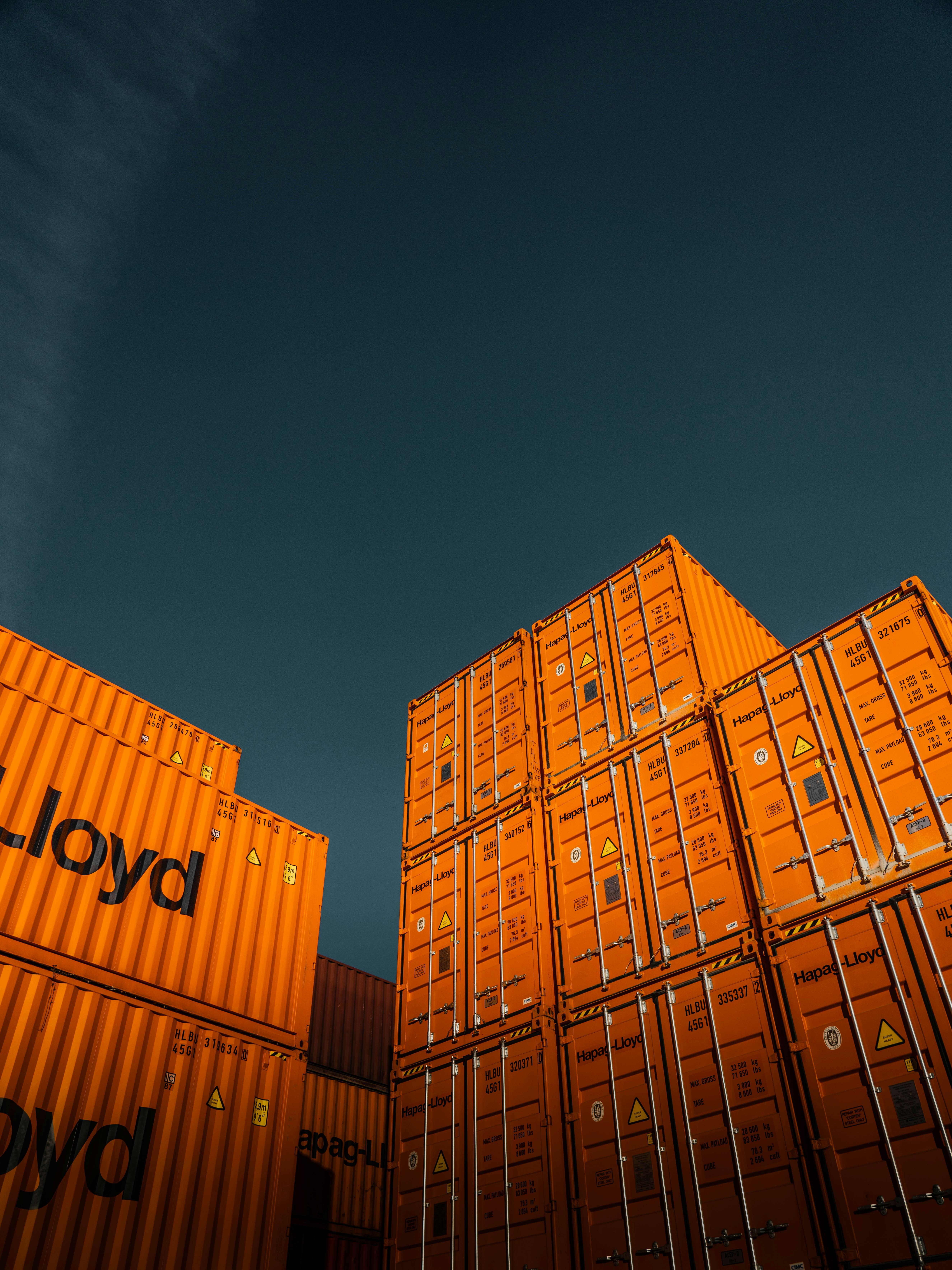
Understanding the Importance of Sourcing from China
Sourcing from China has become an essential component in the logistics and supply chain management strategies of businesses worldwide. China is recognized as a dominant player in the global sourcing landscape due to several critical factors. One of the primary reasons is the cost-effectiveness of production in the country. Businesses can access a vast array of products at competitive prices, enabling them to make money by keeping their costs low while offering affordable goods to consumers.
The extensive range of products available in China is another compelling reason for international sourcing. From electronics to apparel and home goods, Chinese manufacturers provide a multitude of options that cater to various online market platforms like Amazon, eBay, and Shopify. This diversity allows entrepreneurs to easily source inventory that aligns with market demands, thereby facilitating growth and scalability in their businesses.
However, sourcing from China is not without its challenges. One significant concern is quality control; ensuring that products meet specific standards can be demanding and may require additional oversight. This is particularly important when considering hassle-free order fulfillment, which is crucial for maintaining customer satisfaction. Moreover, cultural differences can pose communication barriers that affect negotiations and partnerships. Understanding these factors is vital for businesses that seek to mitigate risks when entering the Chinese market.
In conclusion, while there are notable advantages to sourcing products from China, such as competitive pricing and a broad selection, it is essential to navigate the inherent challenges thoughtfully. Organizations aiming to enhance their supply chain must develop effective strategies that leverage the efficiency of Chinese suppliers while ensuring quality and reliability in their sourcing efforts.
Logistics Planning for Global Distribution
Effectively planning logistics for global distribution is essential for businesses aiming to source products from China and deliver them to various international markets. Selecting the right shipping methods is one of the first critical decisions a company must make. Air freight is typically faster but incurs higher costs, making it suitable for urgent shipments or high-value items. Conversely, sea freight is generally more economical, especially for bulk goods, although it has a longer transit time.
Understanding international shipping routes is equally important. Each route offers distinct benefits and challenges, influenced by factors such as distance, transportation regulations, and geopolitical stability. Companies should evaluate these routes based on their individual needs and the specific products they intend to source. For instance, dropshipping models can greatly benefit from efficient logistics planning, ensuring timely deliveries that enhance customer satisfaction and promote repeat business.
Moreover, customs clearance plays a significant role in the logistics process. Efficient handling of customs paperwork ensures that goods are not delayed or subjected to unexpected tariffs, facilitating hassle-free order fulfillment. Businesses, especially those utilizing platforms like Amazon, Shopify, or eBay, must become proficient in the customs regulations of their target markets. This knowledge contributes to smoother operations and minimizes the risk of operational disruptions.
Effective supply chain management and inventory control further streamline logistics planning. Businesses should implement systems that allow for real-time tracking of stock levels, ensuring they can respond promptly to market demands and avoid overstocking or stockouts. Partnering with the best China sourcing agents can also lead to competitive price advantages, offering businesses the flexibility to adapt their sourcing strategies as needed, ultimately enhancing their online market presence.
Navigating Regulatory and Compliance Challenges
When sourcing from China, businesses encounter a myriad of regulatory and compliance challenges that can significantly impact their operations. A primary concern is understanding export regulations in China, which dictate how goods are manufactured and shipped globally. Companies need to ensure that their suppliers comply with these regulations to avoid potential disruptions in the supply chain.
Import tariffs also play a crucial role in the sourcing process. Various countries impose tariffs on goods imported from China, which can affect the overall cost-effectiveness of dropshipping and sourcing strategies. It is essential for businesses, especially those operating on platforms such as Amazon, eBay, and Shopify, to stay informed about current tariffs and customs duties to maintain competitive pricing and successfully navigate the online market. Engaging the services of a best China sourcing agent can provide invaluable assistance in managing these complexities effectively.
Adhering to international standards and certifications is another critical aspect of compliance. Products that do not meet required standards may face delays or even rejections at customs, leading to potential losses and customer dissatisfaction. Businesses should proactively verify that their suppliers uphold the necessary certifications relevant to their products.
Additionally, businesses must consider the implications of trade agreements which may alter the landscape of sourcing and logistics. Political factors, such as changes in leadership or shifts in policy, can influence trade relations and affect sourcing decisions from China. Understanding these dynamics is essential for companies that wish to implement hassle-free order fulfillment and ensure smooth logistics operations.
In conclusion, navigating the regulatory frameworks when sourcing from China requires careful attention to compliance with export regulations, import tariffs, international standards, and governmental policies, all of which are vital for ensuring a successful sourcing strategy.
Establishing Strong Supplier Relationships
Building robust relationships with suppliers in China is crucial for businesses engaging in sourcing, particularly for those operating within the realms of dropshipping and online marketplaces such as Amazon, eBay, and Shopify. These relationships are the backbone of a successful supply chain and play a vital role in facilitating hassle-free order fulfillment.
Effective communication is the cornerstone of any solid supplier relationship. Establishing clear channels of communication allows for an open dialogue about expectations, timelines, and quality standards. By leveraging technology, such as collaborative platforms and instant messaging apps, businesses can ensure that they are continuously in touch with their suppliers, allowing for quick resolutions to any potential issues. Additionally, making an effort to understand cultural nuances in communication can further enhance interactions and lead to stronger ties.
Negotiation tactics also play a significant role in supplier relationships. Fostering a win-win scenario not only facilitates obtaining competitive prices but also encourages suppliers to invest in your business’s success. Approaching negotiations with transparency about your business needs while being open to compromise can result in mutually beneficial agreements. Investing time in building trust will ultimately lead to more favorable terms, ensuring suppliers are committed to your goals.
Moreover, the reliance on a single supplier can be risky; thus, it is advisable to develop relationships with multiple suppliers. This strategy mitigates risks associated with supply disruptions and ensures flexibility should one supplier not meet expectations. Building a diverse network contributes significantly to a more resilient supply chain.
In conclusion, establishing and maintaining strong supplier relationships is essential for effective sourcing from China. By prioritizing communication, negotiation, and trust, businesses can achieve a more streamlined logistics process and optimize their operations across various online marketplaces.


